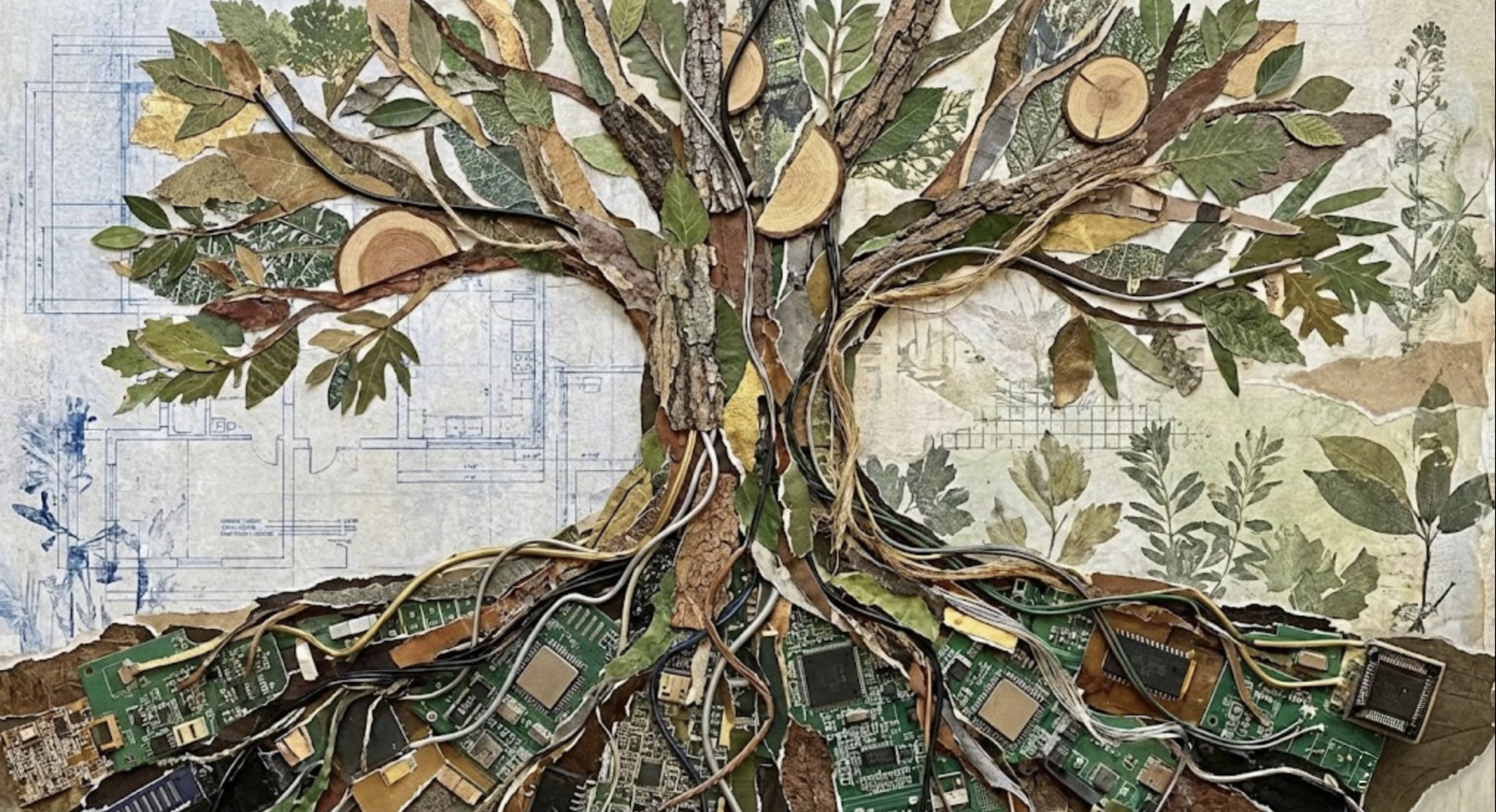
The Ground Beneath Everything
We are running high-demand software on hardware that is running out of energy. The most strategic asset of the next fifty years isn't digital. It's fertile soil.
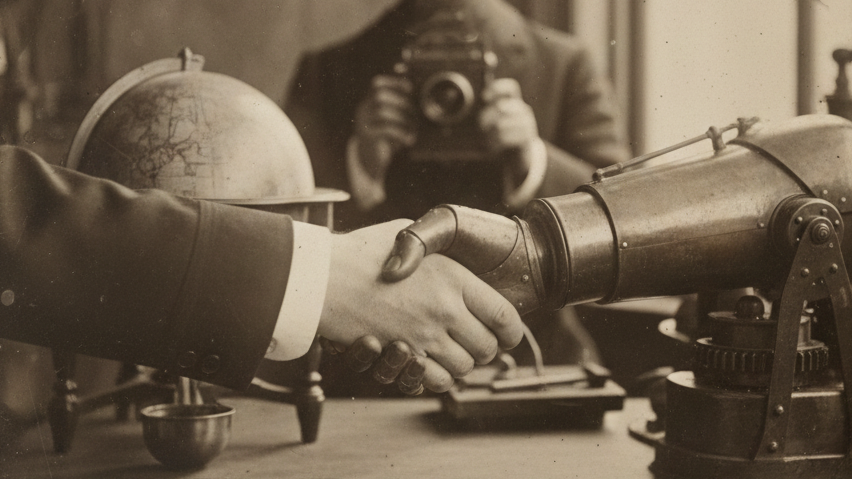
The Cables That Connect Us
The cloud doesn't exist. It never did. And the infrastructure we've neglected most isn't made of fiber and glass — it's made of people.

comfort was once survival
We tend to think of cooking as comfort, but we forget its origin. What we call "culture" is the result of thousands of years of unforgiving trial and error. Someone had to test the limits, often with their life, to discover what nourishes and what kills. Today, while the corporate world demands faster outcomes and frictionless processes, choosing the long wait is not romantic nostalgia. It is respect for the human cost of curiosity. The certainty we operate with today is a debt we owe to those who took the risk before us.
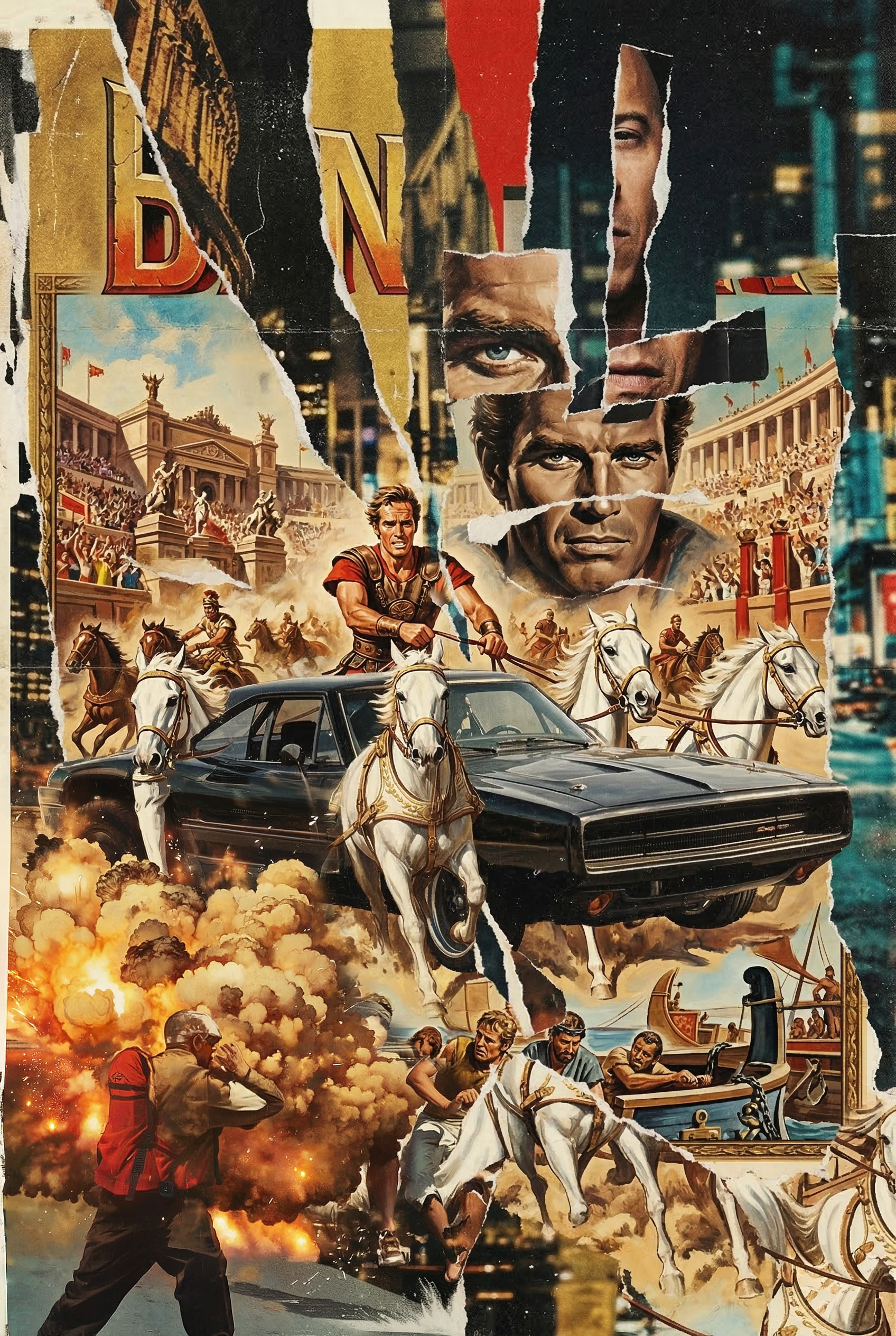
2000 years of slop
We’ve been consuming the same formula for 2,000 years, from the Roman circus to 11-movie Hollywood franchises with the exact same cars and explosions. Artificial Intelligence isn't the producer of this conformism; it is simply the most efficient employee the slop industry has ever hired. If your brand is only looking to retain hollow attention, you are competing against an unbeatable algorithm.
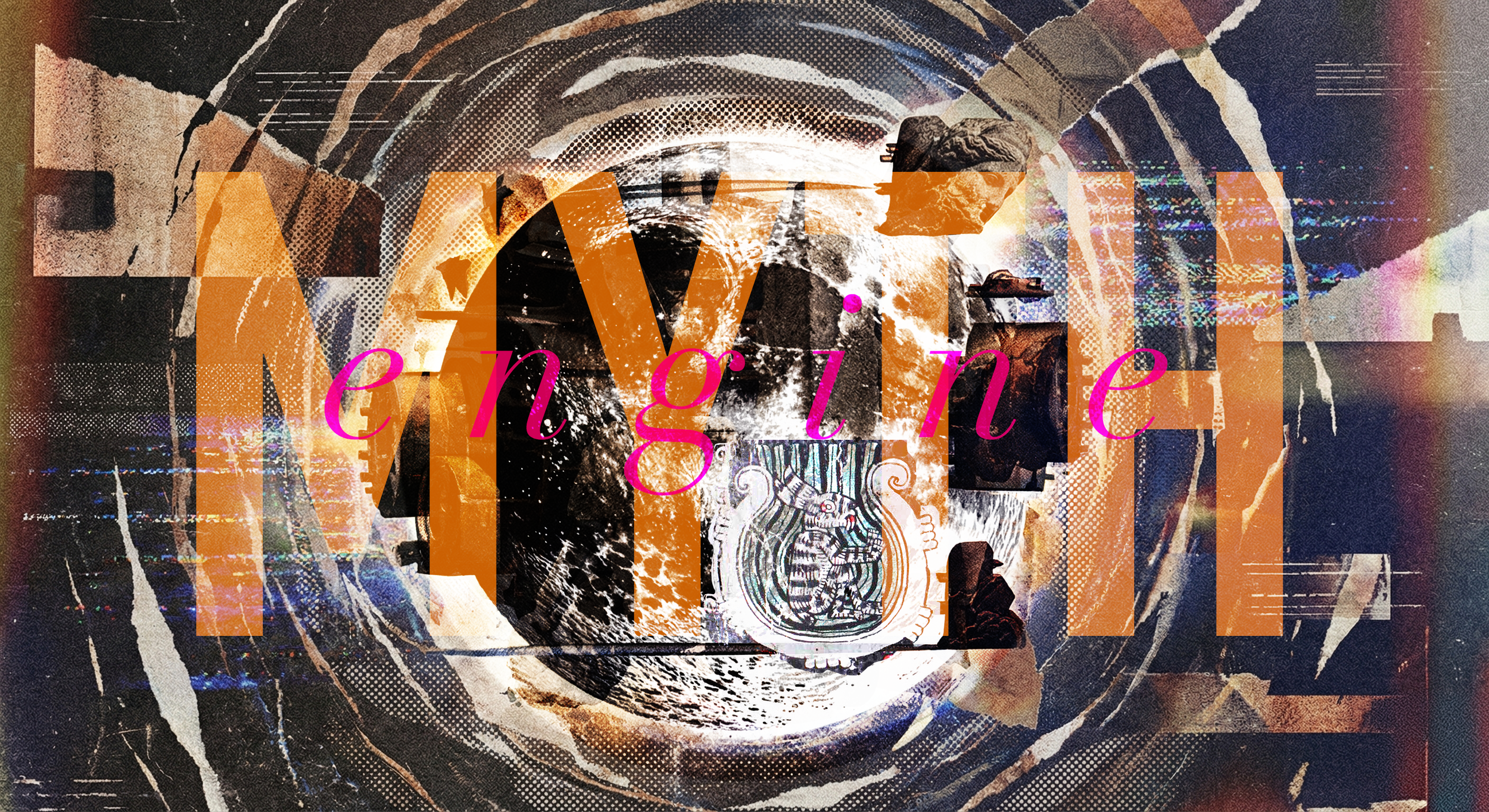
the myth engine
Myths are a biological necessity—the evolutionary tool we use to give shape to the incomprehensible. Today, we are using that exact same mechanism to process Artificial Intelligence. While actual adoption remains remarkably low, echo chambers are accelerating the mythology faster than reality. We are witnessing the birth of a new civilization-level myth, and the most dangerous thing a brand can do is let the panic write it for them.
you cannot dream on four hours
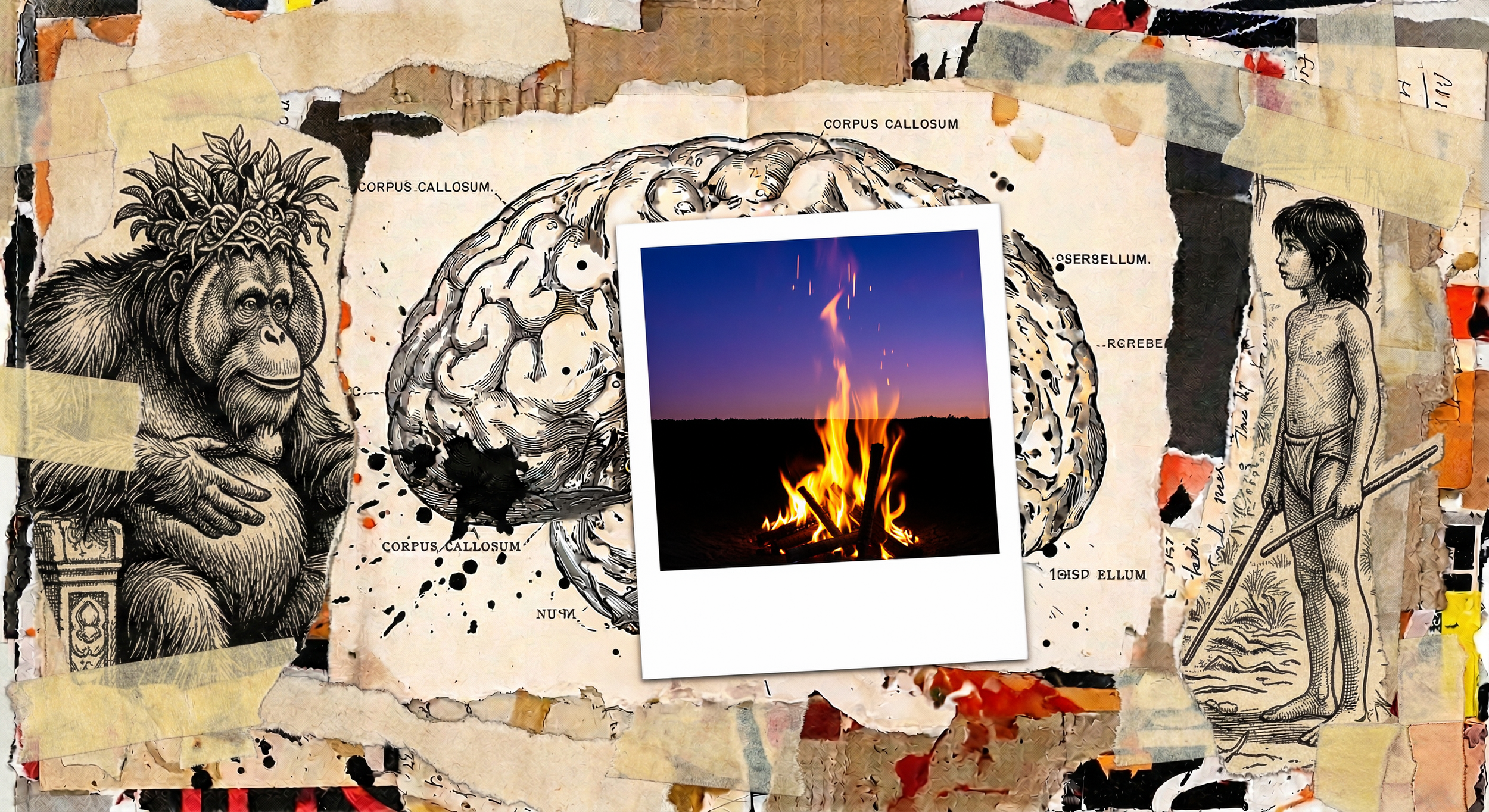
Every other species on Earth evolved to stay partially alert while resting. Humans are the only animals that surrender completely to the dark, becoming entirely defenseless for hours every night. That wasn’t a design flaw; it was the most dangerous bet our species ever made—and the one that built civilization. True vision and unexpected connections only happen in absolute vulnerability. Today, the corporate world wears exhaustion as a credential. But make no mistake: a culture that glorifies sleep deprivation isn’t driving innovation—it is actively dismantling the very biological engine that created it.
before language
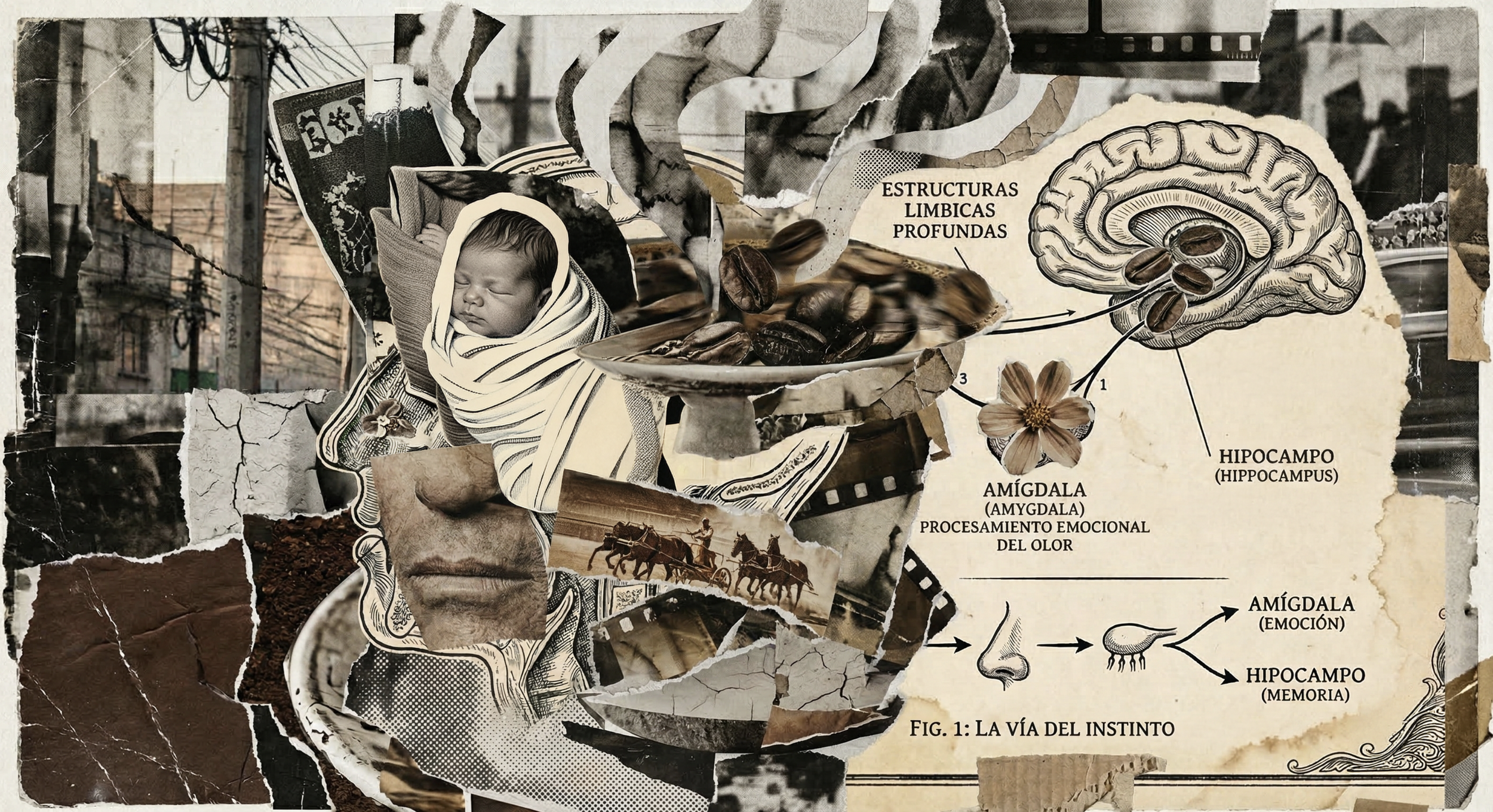
We spend millions of dollars and enormous resources engineering what people see and hear. Yet the only human sense biologically hardwired directly to the brain's emotional and decision-making centers is almost always left to accident. Scent doesn’t inform; it activates. If your brand is only designing for the eyes and ears, you are waiting for conscious permission. The nose decides before the mind even knows it's thinking.
the body reclaims territory
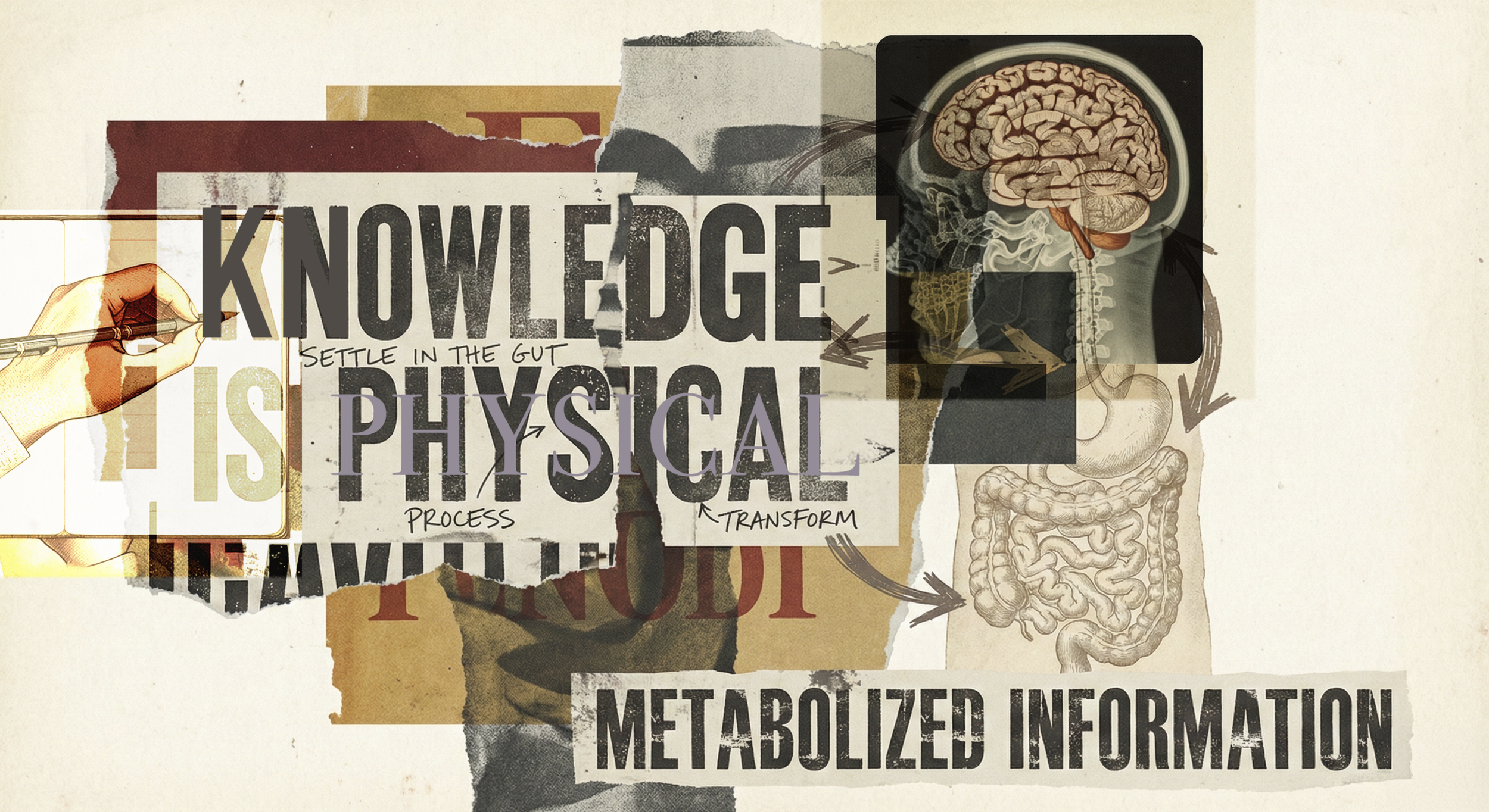
We have spent the last decade designing digital environments optimized for speed, seamless interaction, and absolute weightlessness. But we forgot one thing: human cognition evolved through texture and delay. Information is abstract data floating on a screen; knowledge is physical and settles in the gut. The sudden resurgence of analog formats and spaces designed for physical presence isn’t nostalgia. It is biological recalibration. Because while screens deliver information efficiently, meaning requires friction.
belonging was optimized out
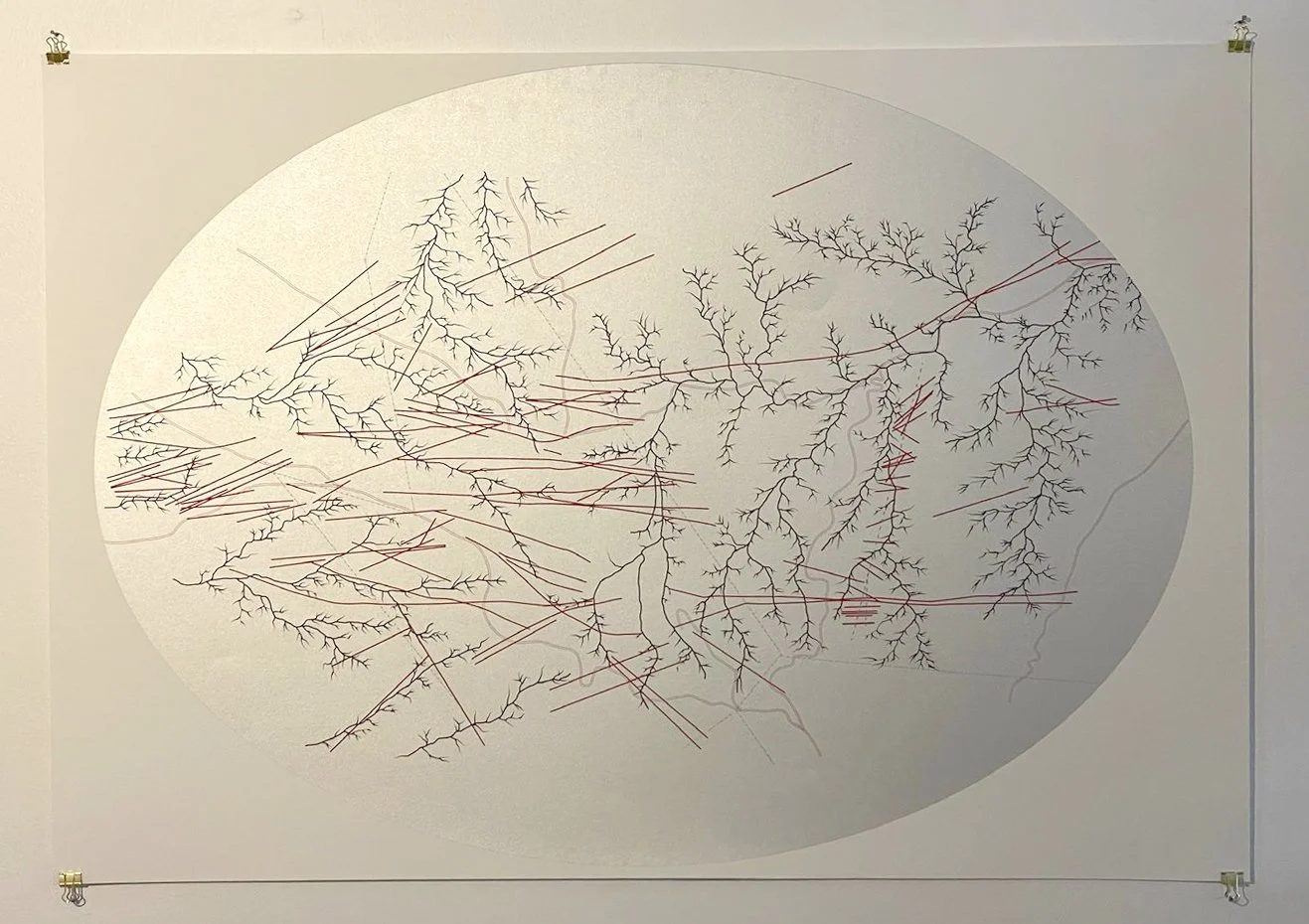
For years, the retail industry optimized for speed, seamless delivery, and solitude. We built systems that work efficiently but feel increasingly lonely. We didn’t lose community because of technology; we optimized it out of existence. Yet, a structural correction is happening. The physical spaces succeeding today are doing so by refusing to behave like traditional retail. They don’t optimize for turnover. They treat belonging as infrastructure, not as a brand promise.